Sunshine Corner: The Hidden Struggle of Sonskynhoekie, South Africa's White Squatter Camp
In the shadow of Pretoria's urban sprawl lies Sonskynhoekie, a name that translates to "Sunshine Corner" in Afrikaans. This informal settlement, often referred to as a white squatter camp, stands as a stark counterpoint to the prevailing narratives of poverty in post-apartheid South Africa. While the country grapples with widespread inequality, Sonskynhoekie highlights a lesser-discussed facet: the destitution faced by some white Afrikaners who have fallen through the cracks of economic transformation. Established on private land, the camp is home to families enduring extreme hardship without basic amenities, challenging stereotypes and underscoring the universal nature of poverty.
History and Establishment
Sonskynhoekie was founded by Hans Duvenhage, a 59-year-old former scrap metal dealer with a distinctive Paul Kruger beard and a resilient spirit. Duvenhage had lived on the smallholding north of Pretoria's Wonderboom area for 25 years when he and his late wife decided to create a shelter for the homeless. One pivotal night, he encountered three destitute tramps on the roadside, their food infested with worms. He offered them sustenance and a caravan, igniting a word-of-mouth network among Pretoria's indigent white community. Despite warnings from his church minister that such endeavors would be draining, the camp grew rapidly into Sonskynhoekie Sorgsentrum, a registered care center for down-and-outs.
The settlement's origins trace back to the socio-economic shifts following the end of apartheid in 1994. Under the National Party regime, blue-collar white workers benefited from protected jobs in sectors like railways and steelworks. However, post-apartheid reforms, including affirmative action policies aimed at redressing historical imbalances, led to job losses for many unskilled or semi-skilled whites. As state-subsidized employment dwindled, vulnerable Afrikaners—often from working-class backgrounds—found themselves unemployed and homeless. Sonskynhoekie emerged as a refuge, evolving from a few caravans to a cluster of tents, Wendy houses (small wooden cabins), and makeshift shacks amid the Duvenhage family homes. By the early 2010s, it housed around 50 residents, and reports suggest it has fluctuated but remained a symbol of white poverty, with similar camps numbering about 80 in the Pretoria area alone.
Location and Layout
Nestled on the outskirts of Pretoria, Sonskynhoekie occupies private farmland, providing a semblance of security but also isolating it from municipal services. The camp is a patchwork of dilapidated structures: wooden shacks with corrugated iron roofs, tents draped in tarps, and abandoned vehicles serving as storage or windbreaks. Ditches and stagnant pools dot the landscape, breeding mosquitoes, while discarded furniture and scrap metal add to the chaotic aesthetic. Trees provide some shade, but the dirt paths and open spaces reflect the harsh, rural-like environment just beyond the city's edge.
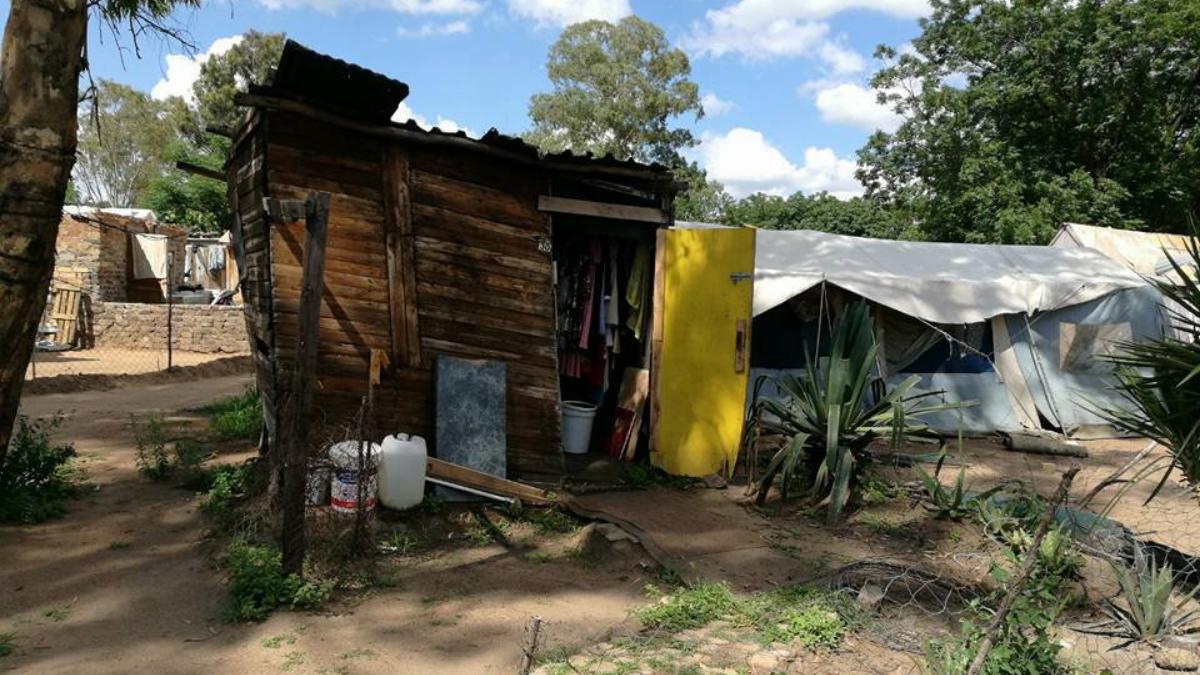
This image captures the rudimentary shacks and dusty grounds typical of the settlement, with residents going about their day amid the trees.
Living Conditions
Life in Sonskynhoekie is defined by deprivation. There is no mains electricity, forcing residents to rely on candles, paraffin lamps, or sporadic generators for light. Running water is absent; inhabitants must trek 5 kilometers to a nearby fire station to fetch water, carrying it back in containers. Sanitation is rudimentary, with only two basic toilets serving the entire community. Homes often feature collapsed ceilings and leaky roofs, exacerbating health issues in the dusty, mosquito-prone environment. Estimates of the population vary: recent reports indicate more than 20 families (around 240 people), though earlier accounts noted about 50 individuals.
The camp operates on a modest fee system—residents pay R400 (about $22 USD) monthly for shelter and two basic meals—but this barely covers costs, relying heavily on donations. Food insecurity is rampant, with meals consisting of donated staples like maize porridge, oats, or simple stews from beef bones and vegetables.
Daily Life and Routines
A bell governs the rhythm of the day. At mid-morning, it signals the first meal: residents queue with bowls or tubs for porridge ladled out by the assigned cook. Camp matriarch Cornelia Terblanche oversees the process from her perch on an old brick braai (barbecue), ensuring order. Afternoon brings meal preparation using whatever donations arrive—potatoes, onions, rice—culminating in a spartan dinner around 5 p.m. Extras like sugar or milk must be purchased individually, often straining limited resources.
Beyond meals, life involves communal chores: hanging laundry on shared lines, tending small gardens if possible, or seeking odd jobs in Pretoria. Many residents collect disability grants or medication from nearby facilities, having arrived due to personal crises like job loss, alcoholism, or mental health issues. The camp's isolation means limited access to education or healthcare, perpetuating cycles of poverty.
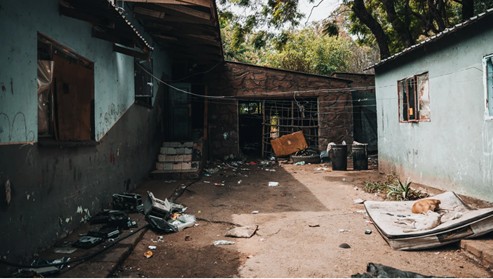
Here, colorful but weathered shacks illustrate the makeshift nature of housing, a common sight in the camp's daily landscape.
Resident Profiles
The stories of Sonskynhoekie's inhabitants reveal the human toll of economic exclusion. Hans Duvenhage, the founder, embodies perseverance despite physical challenges, like missing fingers from his scrap metal days. Cornelia Terblanche, a nine-year resident, recalls her shock upon arriving: "We all had our own places" before misfortune struck. She now holds a position of authority, having climbed the informal hierarchy.
Frans de Jaeger, a former bricklayer, represents the vulnerability of semi-skilled workers. After his wife's death from cancer, he turned to alcohol and ended up destitute. Jackie van Tonder, 43, serves as a cook, having transitioned from car guarding to communal roles. Younger residents like Wimpie Duvenhage, 24, have grown up here without electricity or water, highlighting generational entrapment. Frik Duvenhage, possibly a relative, shares tales of survival amid unemployment.
These profiles underscore that residents were not born into poverty but descended due to lost privileges in a changing economy.
Socio-Economic Context
Sonskynhoekie exists amid broader white poverty in South Africa, estimated to affect around 42,000 whites in informal settlements—not the inflated 400,000 figure debunked by fact-checkers. Post-apartheid policies like Black Economic Empowerment (BEE) aimed to uplift historically disadvantaged groups but left some whites, particularly Afrikaners without advanced skills, marginalized. High black unemployment intensifies competition, while stigma surrounds white poverty, viewed as anomalous compared to black informal settlements. The African National Congress (ANC) has criticized media focus on places like Sonskynhoekie, arguing it distracts from the majority black townships.
Additionally, the camp maintains a whites-only policy, with racial segregation persisting in living arrangements, as noted during the COVID-19 pandemic when it appealed for government aid but relied on private donors.
Challenges and Stigma
Residents face not only material hardship but social isolation. White poverty is often hidden, with inhabitants wary of outsiders, cameras, or family recognition. Health risks from poor sanitation and water scarcity compound issues like alcoholism and mental illness. Broader threats include farm attacks, with white farmers facing disproportionate violence—over 2,000 murders in two decades—further eroding rural livelihoods.
Stigma amplifies the struggle: unlike black poverty, white destitution is seen as a "social spectacle," leading to evasion and shame.
Government and NGO Involvement
Support is minimal. The camp relies on local volunteers for meals and donations from retailers or farmers. During COVID-19, it received aid from NGOs and private sources, but government assistance was limited, with appeals for food parcels going largely unheeded. Organizations like AfriForum have highlighted such camps to advocate for white rights, but systemic intervention remains scarce. The settlement's private land status complicates municipal involvement, leaving it in a limbo of self-reliance.
Recent Developments
As of 2025, Sonskynhoekie persists with over 20 families enduring the same conditions, as documented in recent media. Similar white settlements have emerged in Gauteng, Mpumalanga, and the Western Cape, housing those unskilled for post-apartheid jobs. Discussions around U.S. refugee programs for Afrikaners under executive orders have referenced such camps, though impacts are unclear. Residents maintain hope, but without structural change, the cycle continues.
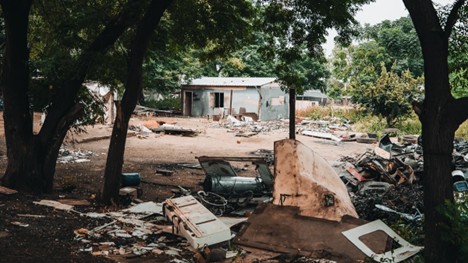
This photo shows residents in their living space, offering a glimpse into the personal resilience amid adversity.
Conclusion
Sonskynhoekie is more than a squatter camp—it's a testament to South Africa's unresolved inequalities. While apartheid's legacy disproportionately affects black communities, this enclave reveals how economic shifts can devastate any group. As residents like Duvenhage cling to optimism, the story of Sunshine Corner calls for a more inclusive approach to poverty alleviation, transcending racial lines. In a nation striving for unity, addressing hidden struggles like these is essential for true reconciliation.